If you’ve been thinking about starting meal prep but aren’t sure where to begin, you’re in the right place. Maybe you’re tired of the 5 p.m. scramble, staring into a fridge full of ingredients but no plan. Maybe you want to eat better without spending half your paycheck on takeout. Or maybe you’ve tried meal prep before and ended up with a week’s worth of soggy salads and a strong desire to never look at chicken again.
Table of Contents
This guide is different. We’re not going to hand you a list of recipes and call it a day. Instead, we’ll walk through the entire system: why meal prep actually works, the methods that fit real life, the food safety rules nobody talks about, and how to avoid the burnout that makes people quit. By the end, you’ll have a clear, flexible strategy that saves time, cuts waste, and keeps your meals something you actually look forward to eating.
Why Meal Prep Works (The Science of Smarter Eating)
Meal prep isn’t just a social media trend. It taps into something fundamental about how we make decisions. When you’re hungry and tired at the end of a long day, your brain defaults to the easiest option. If that option is a bag of chips or a delivery app, that’s what you’ll choose. Having a ready-made meal in the fridge removes the decision entirely. You eat what’s there, and if what’s there is balanced and portioned, you eat well by default.
Portion control becomes almost automatic. When you divide a big batch of stir-fry into individual containers, you’re setting a clear boundary for how much you’ll eat. There’s no going back for seconds because seconds don’t exist in that container. Over time, this consistency matters far more than any single “perfect” meal. Eating reasonably well five days a week beats eating perfectly for two days and chaotically for five.
Then there’s the financial side. Batch cooking means buying ingredients in larger quantities, which almost always costs less per pound. You also waste less food because everything you buy has a job. That bunch of cilantro isn’t going to rot in the crisper drawer; it’s going into Tuesday’s grain bowl and Thursday’s soup. And when you cook at home, you control the salt, sugar, and fat in ways no restaurant kitchen ever will. The “health halo” of home cooking is real, not because home cooks are culinary geniuses, but because they’re not trying to make food addictive enough to keep you coming back.
Getting Started: The 4 Essential Meal Prep Methods
Before you touch a single vegetable, understand that meal prep isn’t one thing. It’s a spectrum of approaches, and the right one depends on your schedule, your kitchen setup, and how much variety you need.
Make-Ahead Meals
This is the classic method and the best entry point for beginners. You cook complete dishes, portion them out, and reheat them throughout the week. Think lasagna, chili, curry, or a big casserole. The advantage is simplicity: you cook once, you’re done. The tradeoff is that you’re eating the same meal several times, so make sure it’s something you genuinely enjoy. A solid set of cookware makes this method shine. A heavy-bottomed stockpot for soups and stews and a deep baking dish for casseroles will carry you through dozens of prep sessions.
Ingredient Prep (Mise en Place)
nstead of cooking full meals, you wash, chop, and portion raw ingredients so you can assemble fresh meals quickly each day. Roast a tray of vegetables, cook a pot of grains, marinate some protein, and store everything separately. On a Tuesday night, you can throw together a stir-fry in ten minutes because all the chopping is already done. This method works beautifully if you crave variety and don’t mind a little daily cooking. A sharp chef’s knife from your cutlery and knife accessories collection turns this prep from a chore into something almost meditative. When your tools work well, the work feels lighter.
Batch Cooking
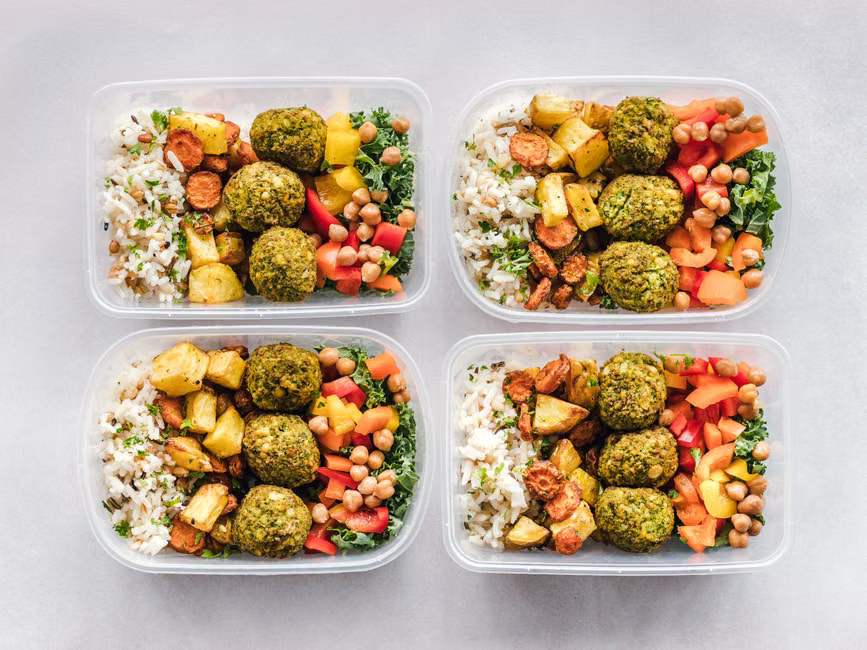
Batch cooking sits between make-ahead meals and ingredient prep. You cook large quantities of individual components, like grilled chicken breasts, roasted sweet potatoes, and steamed broccoli, then mix and match them into different combinations throughout the week. Monday’s chicken and veggies go over rice with teriyaki sauce. Wednesday’s go into a wrap with hummus. This method gives you flexibility without daily cooking. Storage and organization containers are essential here. You’ll want a variety of sizes with airtight lids to keep each component fresh and distinct.
No-Reheat Prep
Not everyone has access to a microwave at lunchtime, and not everyone wants a hot meal in the middle of the day. No-reheat prep focuses on cold lunches that taste great straight from the fridge. Grain bowls with roasted vegetables and feta, hearty salads with chickpeas and avocado, or wraps packed with crisp greens and protein all fit the bill. The key is keeping wet and dry ingredients separate until you’re ready to eat. Small containers for dressing and toppings prevent the dreaded lunchtime sogginess that ruins so many well-intentioned meals.
Your Meal Prep Workflow: From Grocery Store to Fridge
A clear workflow turns meal prep from an overwhelming project into a manageable routine. Here’s how to move from planning to packed fridge in roughly two hours of active time.
Step 1: Plan Your Menu (15 minutes)
Keep your first few weeks simple. Choose two proteins, two grains, and three vegetables. That’s it. This combination gives you enough variety to build at least five different meals without requiring a spreadsheet. Write down what you’ll eat each day, but stay flexible. The goal is a roadmap, not a legally binding contract.
Step 2: Shop Smart (30 minutes)
Build your grocery list around overlapping ingredients. If both your proteins need garlic and onions, buy one big bag of each. If your grains are rice and quinoa, they’ll share storage space and cooking methods. This is also the moment to invest in quality storage and organization containers. Glass containers with snap-lock lids keep produce fresher longer than plastic bags, and they don’t absorb stains or odors. They’re a one-time purchase that pays off every week in reduced food waste.
Step 3: The “Power Hour” Cook (60 minutes)
This is where efficiency matters. Start with the tasks that take the longest and require the least attention. Get your grains simmering and your sheet pans of vegetables into the oven first. While those cook, move to your proteins. Grill chicken breasts, brown ground turkey, or press tofu. Use a timer for everything. When the oven beeps, pull the veggies and slide in the next tray. By the time your proteins are done, your grains and vegetables are cooling on the counter.
Step 4: Cool, Portion, and Store (15 minutes)
This step is where many beginners stumble, and it’s also the most important for food safety. Cooked food needs to cool to room temperature within two hours before it goes into the fridge. Spread hot food in shallow containers to speed this process. A deep pot of chili will stay warm in the center for hours; a shallow layer cools in under thirty minutes. Once cooled, portion everything into individual containers and label them if you’re freezing. Stack them neatly in the fridge, and you’re done.
Food Safety and Storage: The Non-Negotiable Rules
Food safety doesn’t get enough attention in meal prep conversations, which is strange because it’s the foundation everything else rests on. Get this wrong, and you’re not saving money. You’re throwing it away, or worse, making yourself sick.
The 2-Hour and 4-Day Rule
Cooked food must move from hot to refrigerated within two hours. In hot weather, that window shrinks to one hour. Once in the fridge, most cooked meals stay safe for three to four days. After that, bacterial growth increases to levels that can cause illness, even if the food looks and smells fine. If you’re prepping on Sunday, plan to finish everything by Thursday lunch.
Freezing for Longevity
Soups, stews, cooked grains, and most proteins freeze beautifully for up to three months. The trick is airtight packaging. Freezer burn happens when air meets food, so press out as much air as possible before sealing. Label every container with the contents and the date. A frozen mystery block is nobody’s idea of a good dinner.
Reheating Best Practices
Reheat only the portion you plan to eat. Microwaving the same container multiple times degrades texture and increases food safety risks. Use a food thermometer to confirm leftovers reach 165 degrees Fahrenheit at the center. This is the temperature at which most harmful bacteria die.
Choosing the Right Containers
Glass containers outperform plastic for meal prep in almost every category. They’re non-porous, so they won’t hold onto yesterday’s curry. They’re microwave-safe without leaching chemicals. They don’t stain. And they stack neatly, which matters when fridge space is tight. Look for containers with divided compartments if you want to keep components separate, and make sure the lids seal tightly to prevent leaks and freezer burn. Your storage and organization choices directly affect how long your food stays fresh and how pleasant it is to eat.
Overcoming Meal Prep Burnout (The “Why Meal Prep Is Bad” Problem)
Let’s be honest: meal prep has downsides, and pretending otherwise doesn’t help anyone. The related search “why meal prep is bad” exists because real people have real frustrations. Addressing those frustrations head-on builds a system you’ll actually stick with.
Combat Flavor Fatigue
Eating the same lemon-herb chicken five days in a row is a fast track to ordering pizza. The fix is simple: cook one neutral protein and change the sauce daily. A batch of grilled chicken can take on teriyaki on Monday, pesto on Tuesday, and salsa verde on Wednesday. Keep a few sauces in your fridge, and your taste buds won’t stage a rebellion.
The Sunday Scaries
Prepping for a full seven days is a lot of work, and it’s demoralizing when Sunday afternoon disappears into a cloud of steam and dirty dishes. Start with three days. That’s it. Prep Sunday for Monday through Wednesday, then do a quick midweek refresh on Wednesday evening. The workload feels lighter, and the food tastes fresher.
Texture Troubles
Few things are sadder than a salad that’s been sitting in dressing for four days. Keep crunchy elements separate until the moment you eat. Nuts, seeds, croutons, and fresh herbs go into small containers or bags. Dressings stay in their own container. Kitchen utensils and gadgets like small dressing shakers or condiment cups make this separation effortless and portable.
When to Throw in the Towel
Some weeks, life gets in the way. You’re sick, you’re traveling, or you just don’t feel like it. That’s fine. Meal prep is a tool, not a moral obligation. Take the week off. Eat from your freezer stash, the batch of soup you tucked away in your trusty bakeware last month, or yes, order takeout. The system will be there when you’re ready to return.
Meal Prep for Specific Goals (Beyond Just “Eating Healthy”)
“Eating healthy” means different things to different people. Your meal prep should reflect your actual goals, not someone else’s Instagram feed.
High-Protein Meal Prep for Fitness
If you’re training hard, your prep needs to support muscle repair and satiety. Focus on lean meats, eggs, Greek yogurt, cottage cheese, and legumes. Batch-grill a pile of chicken breasts, hard-boil a dozen eggs, and cook a big pot of lentils. These components can anchor breakfast, lunch, and dinner without requiring separate cooking sessions for each meal.
Budget-Friendly Meal Prep
When money is tight, meal prep shines brightest. Beans, rice, potatoes, and seasonal vegetables cost pennies per serving. A single pot of chili with ground turkey, beans, and tomatoes can feed six people for under ten dollars total. Overnight oats with a banana and a spoonful of peanut butter costs less than a dollar and keeps you full until lunch. The per-serving savings add up fast, and those savings compound when you’re not buying last-minute lunches or impulse snacks.
Meal Prep for Weight Loss
Pre-portioning is your strongest ally here. When snacks and meals are already divided into calorie-controlled containers, you’re far less likely to overeat. There’s also a visual trick worth using: serve your prepped meals in smaller dining and entertaining bowls and plates. A reasonable portion looks more satisfying on a smaller dish, which helps your brain register the meal as sufficient.
Family-Friendly Prep
Cooking for a family doesn’t mean becoming a short-order cook. Prep components that can be assembled differently for adults and kids. A taco bar with seasoned protein, beans, cheese, lettuce, and salsa lets everyone build their own plate. Adults can add hot sauce and extra vegetables; kids can stick with cheese and mild toppings. One prep session, multiple happy eaters.
Essential Tools to Make Meal Prep Effortless
You don’t need a kitchen full of gadgets to meal prep well. A few quality tools make the process faster, safer, and more enjoyable.
The Right Cookware
A large stockpot handles soups, stews, and chili with room to spare. A sturdy sheet pan roasts vegetables and proteins with minimal cleanup. These two pieces of cookware do the heavy lifting in most prep sessions. Look for heavy-gauge materials that distribute heat evenly and won’t warp over time.
Knives That Actually Cut
A sharp chef’s knife transforms prep work. You’ll chop faster, more safely, and with less fatigue. A dull knife slips and requires force; a sharp one glides. Your cutlery and knife accessories should include a honing steel to maintain the edge between sharpenings. Ten seconds of honing before each session keeps the blade performing.
Gadgets That Save Minutes
A good vegetable peeler, a microplane for zesting and grating, and a set of silicone spatulas cover most other tasks. Silicone spatulas scrape bowls clean, which means less waste and easier cleanup. These kitchen utensils and gadgets earn their drawer space every week.
Coffee and Tea for the Prep Session
A long prep session feels less like work when you’ve got a good drink at hand. Brew a pot of coffee or steep a favorite tea before you start. The ritual signals that this is your time, a few hours of productive calm rather than a frantic scramble. Your coffee, tea, and espresso setup can turn meal prep into something you almost look forward to.
Wine for the Win
When the containers are stacked and the counters are wiped down, you’ve earned a moment to relax. Pour a glass of something you enjoy, using the wine accessories you’ve collected, and appreciate the week of good eating you’ve just set up for yourself. That glass tastes better when you know tomorrow’s dinner is already handled.
Frequently Asked Questions About Meal Prep
Can I meal prep for a whole month?
Yes, if you focus on freezer-friendly meals. Cook large batches of soups, stews, casseroles, and burritos, then freeze them in individual portions. Thaw in the fridge overnight and reheat as needed. Rotate your stock so older meals get eaten first.
How do I keep salads from getting soggy?
Layer your ingredients strategically. Put dressing at the bottom of the container, then add hearty vegetables like carrots and cucumbers, then grains or proteins, and finally greens on top. Shake or toss just before eating. Mason jars work especially well for this method.
Is it safe to eat meal prep food after five days?
Generally, no. Cooked food stored in the refrigerator should be eaten within four days. After that, the risk of foodborne illness increases. When in doubt, freeze portions you won’t eat within that window.
What’s the best container for meal prep?
Glass containers with divided compartments offer the most versatility. They’re microwave-safe, dishwasher-safe, and don’t retain odors. Divided compartments keep different components separate until you’re ready to eat.
Do I need to meal prep every week?
Not at all. Some weeks you’ll prep, some weeks you won’t. Consistency over the long term matters more than perfection in any given week. Start with every other week and adjust from there.
Your kitchen already has what it takes. Meal prep isn’t about buying more stuff or following someone else’s rigid plan. It’s about building a system that fits your life, your goals, and your taste buds. Start small. Pick one method, maybe ingredient prep, and one goal, like saving time on weeknights. Try it for a week. See how it feels. Your kitchen is ready. Your week is about to get a whole lot easier.
Set Yourself Up for a Smoother Week
The right containers won't do the cooking for you, but they remove a surprising number of small frictions — leaks, mismatched lids, awkward stacking — that make meal prep feel harder than it needs to be. A well-chosen set pays for itself within the first few weeks of consistent use.
Ready to build your meal prep kit? Browse our full Storage & Organization collection for glass and plastic containers in a range of sizes designed for weekly meal planning.
