
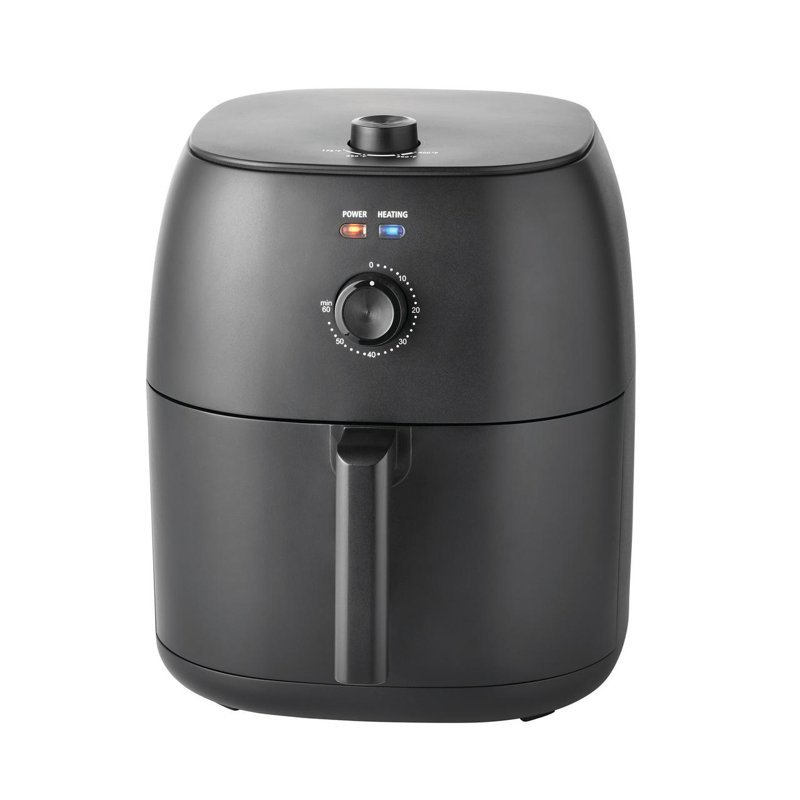
If you’ve been shopping for air fryers lately, you know the options can feel endless. Basket-style, oven-style, compact, oversized, a dozen presets or just a dial: the choices pile up fast. It’s easy to get lost in the noise, especially when every listing promises crispy fries and juicy chicken. This guide cuts through that clutter. We’ll walk you through the types of air fryers, the features that actually matter, how to pick the right size for your household, and which models deliver the best value in 2026. By the end, you’ll know exactly what to look for, and you’ll feel confident that the air fryer you bring home will earn its spot on your counter.
Table of Contents
Top Air Fryer Picks for 2026 (Based on Performance and Value)
Air Fryer Maintenance and Cleaning (For Long-Lasting Performance)
Why Every Home Cook Needs an Air Fryer in 2026
Air fryers have moved well past the trend phase. They are now a legitimate kitchen staple, right alongside your stand mixer and your favorite cast iron skillet. The reason is simple: they deliver speed, convenience, and genuinely delicious results without the mess and heaviness of deep frying.
The magic is in rapid air circulation. A powerful fan pushes hot air around the food at high speed, creating a crispy, golden exterior while keeping the inside tender. This process uses up to 80% less oil than traditional frying, which means lighter weeknight dinners that don’t sacrifice the crunch you crave. For home cooks who care about both flavor and nutrition, that’s a win.
Modern air fryers also multitask in ways the early models never could. Many now function as mini convection ovens, toasters, dehydrators, and reheaters. You can bake a small batch of cookies, roast vegetables, or revive last night’s pizza without turning on your full-size oven. For anyone with a busy schedule, that kind of versatility saves time and counter space.
If you love to entertain, an air fryer earns its keep during gatherings. It turns out quick appetizers like stuffed mushrooms or bacon-wrapped dates with minimal fuss. And when the party winds down, it reheats leftovers so well that fried chicken and roasted potatoes taste almost as good as they did fresh out of the pan. At Nestedkitchen, we believe the right tools make cooking more enjoyable, not more complicated. An air fryer fits that philosophy perfectly.
Types of Air Fryers: Which Style Fits Your Kitchen?
Basket-Style Air Fryers (The Classic)
The basket-style air fryer is what most people picture when they think of the appliance. It has a pull-out drawer with a perforated basket or tray inside, and it cooks food in a single layer. This design is straightforward, easy to use, and typically the most affordable option.
Basket models work best for singles, couples, or small families. Capacities range from about 2 to 6 quarts, which is plenty for a batch of french fries, a few chicken thighs, or a handful of frozen snacks. The basket pulls out and shakes easily, so you can toss food halfway through cooking for even browning. Cleanup is usually simple, with dishwasher-safe components that slide right out.
If your cooking revolves around quick meals, frozen foods, and smaller portions, a basket-style air fryer will serve you well. It’s also the easiest style to store if you prefer to tuck appliances away between uses.
Air Fryer Ovens (The Multi-Tasker)
Air fryer ovens are the larger, more versatile cousins of the basket style. They look like compact countertop ovens with a front door that opens downward, and they often come with multiple racks, a rotisserie spit, and a dehydrate function. Capacities start around 10 quarts and go up from there, which means you can fit a whole chicken, a 12-inch pizza, or several servings of roasted vegetables at once.
This style is ideal for families or anyone who wants to replace a toaster oven and an air fryer with a single appliance. The extra room lets you cook complete meals without juggling batches. The rotisserie function is a standout feature: a slow-turning chicken with crispy skin is hard to beat.
Because air fryer ovens take up more counter space, they make the most sense for kitchens where the appliance will live permanently on display. If you’re outfitting a serious kitchen, this style pairs naturally with quality cookware and bakeware. Sheet-pan meals, roasted proteins, and even small casseroles come together beautifully when you have the right tools to prep and serve them.
Compact and Personal Air Fryers
Compact air fryers, usually under 3 quarts, are built for tight spaces and solo cooking. They’re popular in dorms, studio apartments, RVs, and office break rooms. The smaller cavity heats up faster, so you can go from frozen to crispy in even less time.
These models don’t have the capacity for family dinners, but they’re a smart entry point if you’re new to air frying and want to test the waters without committing to a large appliance. They also work well as a secondary cooker: keep one on the counter for quick sides while your main oven handles the roast.
Key Features to Compare Before You Buy
Capacity is the first thing to check, and it’s measured in quarts. A 2 to 3 quart model suits one or two people. A 5 to 6 quart basket handles meals for three or four without overcrowding. If you regularly cook for five or more, or you like to batch-cook for the week, look at air fryer ovens with 10 quarts or more. Buying a size too small leads to cramped baskets, uneven cooking, and the frustration of working in batches when you’re hungry.
Wattage determines how fast the appliance preheats and how well it maintains temperature under load. Most air fryers fall between 1200W and 1800W. For consistently crispy results, aim for 1700W or higher. Lower wattage models can still cook well, but they may take longer to come to temperature and struggle to keep heat steady when the basket is full.
Temperature range and presets are worth a look, but don’t let a long list of buttons sway you too much. A wide range, from about 150°F to 400°F, gives you flexibility for dehydrating on the low end and searing on the high end. Presets for fries, chicken, fish, and bacon can be convenient, but they’re rarely essential. Most experienced air fryer users end up setting time and temperature manually anyway.
Ease of cleaning makes or breaks the long-term relationship with any kitchen appliance. Look for models with removable, dishwasher-safe baskets and trays. Non-stick coatings help food release easily, but they need gentle care to avoid scratching. Pay attention to the heating element placement: some designs leave the coil exposed and hard to reach, which means grease splatters build up over time and eventually smoke.
Noise level doesn’t get talked about enough. Some air fryers produce a steady, noticeable hum that can compete with conversation in an open-concept kitchen. If you have a sensitive household or you like to cook while listening to music or podcasts, check user reviews for comments on sound before you buy.
Design and aesthetics matter more than many people admit. Your air fryer will likely live on the counter, so choose a finish and shape that you’re happy to see every day. Matte black, stainless steel, and retro pastel options are all widely available. Pick something that matches your kitchen’s personality, not just its functionality.
How to Choose the Right Size Air Fryer for Your Household
For one or two people, a 2 to 4 quart basket model handles daily cooking with ease. You can fit two chicken breasts, a generous serving of fries, or a handful of frozen egg rolls without trouble. The smaller cavity preheats quickly and doesn’t dominate the counter.
For three or four people, step up to a 5 to 6 quart basket or a compact air fryer oven. This size gives you enough room for a full meal: protein, a vegetable side, and maybe even a small batch of roasted potatoes cooked together. You’ll avoid the need to cook in shifts, which keeps dinner on the table faster.
For five or more people, or if you entertain often, an air fryer oven with 10 quarts or more is the right call. These units let you cook a whole chicken, roast a tray of vegetables, and warm bread or rolls simultaneously on multiple racks. The rotisserie function adds even more flexibility for weekend meals and holiday gatherings.
A practical tip: overcrowding is the enemy of crispiness. Air fryers work by circulating hot air around each piece of food. When you pack the basket too tightly, you get steaming instead of browning. If you’re torn between two sizes, go with the larger one. The extra space gives you the option to cook more when you need it, and it improves results even with smaller portions by letting air flow freely.
Before you buy, measure your available counter space. Include clearance above and behind the unit for hot air exhaust. Most manufacturers recommend at least 5 inches of space on all sides. If storage is a concern, check the dimensions with the basket or door fully open, not just the footprint.
Top Air Fryer Picks for 2026 (Based on Performance and Value)
These recommendations focus on categories, not specific brands, so you can shop with confidence no matter where you buy.
For the best overall pick, look for a mid-size basket model in the 5 to 6 quart range. It should have at least 1700W of power, a temperature range that reaches 400°F, and a dishwasher-safe basket with a reliable non-stick coating. Intuitive controls matter more than a dozen presets. Read user reviews with an eye for comments about crispiness and even cooking: those real-world experiences tell you more than spec sheets ever will.
For families, a large air fryer oven with multiple racks and a rotisserie function is the standout choice. Prioritize models known for even heat distribution, because multi-rack cooking can lead to hot spots in lesser units. Easy-to-clean trays and a crumb tray at the bottom make daily maintenance less of a chore. A glass door is a nice bonus, letting you check progress without interrupting the cook cycle.
For the best value, you can find solid performers under $70. These models tend to be simpler, with manual dials instead of digital touchscreens and fewer presets. Focus on wattage and capacity over extra features. A no-frills 4 to 5 quart basket air fryer with 1500W or more will still turn out excellent fries, wings, and roasted vegetables. You’re not sacrificing quality; you’re just skipping the bells and whistles.
For small kitchens, a compact 2 to 3 quart model with a slim profile and quiet operation is the way to go. Look for a design that’s easy to slide under a cabinet or tuck into a corner when not in use. Even a small air fryer can handle a surprising variety of tasks, from reheating a single slice of pizza to roasting a handful of Brussels sprouts.
Once you’ve chosen your air fryer, a few accessories make the experience even better. Silicone tongs let you flip and remove food without scratching the basket. An oil sprayer gives you precise control over the light coating of oil that helps browning. And a good set of knives makes prep work faster and safer.
How to Get the Most Out of Your Air Fryer (Tips and Tricks)
Don’t overcrowd the basket. It’s the most common mistake, and it leads straight to soggy, uneven results. Leave space between pieces so hot air can circulate. If you’re cooking for a crowd, work in batches. The food stays crispy, and the wait is worth it.
Shake or flip halfway through cooking. For basket models, pull the drawer out and give it a good shake. For oven-style air fryers, use tongs to turn each piece. This simple step makes a noticeable difference in evenness and browning.
Preheat for best results. Most air fryers benefit from a 3 to 5 minute preheat, especially when you’re cooking frozen foods or anything that needs a quick sear. It’s a small habit that pays off in texture.
Use a light oil spray. A fine mist of oil helps food brown and crisp without adding significant fat. An oil sprayer gives you better control than aerosol cans and works with your favorite cooking oils. It’s a small tool that quickly becomes indispensable.
Reheat leftovers like a pro. An air fryer revives pizza, fried chicken, roasted vegetables, and even day-old fries better than a microwave ever could. The exterior crisps back up while the inside stays warm and moist. Set the temperature to around 350°F and check after 3 to 4 minutes.
Experiment beyond frying. Bake a small batch of cookies, reheat bread without drying it out, dehydrate apple slices for a healthy snack, or roast nuts for salads and snacking. The more you use your air fryer, the more you’ll discover what it can do.
Air Fryer Maintenance and Cleaning (For Long-Lasting Performance)
Clean after every use. Let the appliance cool completely, then remove the basket and tray. Wash them with warm soapy water, or pop them in the dishwasher if the manufacturer says it’s safe. A quick clean after each session prevents buildup that gets harder to remove later.
For stuck-on food, skip the steel wool. Soak the basket or tray in warm water with a spoonful of baking soda for about 10 minutes. The residue should lift easily with a non-abrasive sponge. Harsh scrubbers damage non-stick coatings and shorten the life of your appliance.
Wipe the heating element regularly. Grease splatters on the coil can smoke during cooking and leave an unpleasant smell. With the unit unplugged and completely cool, use a damp cloth to gently wipe the heating element. Do this every few uses if you cook fatty foods often.
Check the air intake vent. Most air fryers have a vent on the back or bottom that pulls in cool air. Dust and grease can clog it over time, which reduces efficiency and can cause overheating. Vacuum or wipe the vent monthly to keep airflow strong.
For heavy users, a monthly deep clean is a good habit. If your model allows it, disassemble any removable parts beyond the basket and tray. Check the interior walls for grease film and wipe them down. If you live in a hard-water area, a light descaling of any steam-related components helps maintain performance. Keeping your air fryer accessories organized with smart storage solutions makes the cleaning routine faster and less of a hassle.
Frequently Asked Questions About Air Fryers
Is an air fryer healthier than deep frying?
Yes. Air fryers use 70 to 80% less oil than deep frying, which significantly reduces calories and fat. The result is still crispy and satisfying, but without the heaviness of oil-soaked food.
Can you bake in an air fryer?
Absolutely. Many air fryer ovens have dedicated bake settings, and basket models handle small batches of cookies, muffins, and brownies well. The circulating hot air works like a convection oven, so you may need to reduce the temperature by about 25°F compared to a traditional recipe.
How long do air fryers last?
With proper care, a quality air fryer typically lasts 3 to 5 years. Regular cleaning, avoiding metal utensils on non-stick surfaces, and not overloading the basket all help extend its lifespan.
Do I need to preheat my air fryer?
Most models benefit from a 3 to 5 minute preheat, especially for frozen foods or recipes that need a quick sear. Some newer models have a preheat indicator, but if yours doesn’t, just set it to the cooking temperature and let it run empty for a few minutes.
Can I put aluminum foil or parchment paper in an air fryer?
Yes, with a few cautions. Always keep the foil or paper weighted down with food so it doesn’t fly up into the heating element. Never cover the entire basket: airflow is essential for cooking. Perforated parchment sheets designed for air fryers are a great option.
Final Thoughts: Find the Perfect Air Fryer for Your Kitchen
Choosing an air fryer comes down to a few key decisions: size, style, wattage, and how easy it is to clean. Match those factors to your household and your cooking habits, and you’ll land on a model that earns its place on your counter every day. The best air fryer isn’t the one with the most presets or the highest price tag. It’s the one that fits your life.
Think about how this tool will work alongside the rest of your kitchen. From prepping ingredients with sharp, reliable knives to serving crispy appetizers on platters that make a spread feel special, the right accessories elevate every meal. When your air fryer arrives, stock up on the silicone mats, oil sprayers, and serving pieces that make cooking and entertaining smoother. Your kitchen is about to get a whole lot more fun.
Ready to upgrade your kitchen? Browse our full Kitchen Appliances collection to find the appliance that fits how you actually cook.
